Mastering Cursive Handwriting: A Comprehensive Guide to Practice and Improvement
Introduction to Cursive Handwriting
Cursive handwriting, also known as script or longhand, is a style of penmanship where letters are joined in a flowing manner. This elegant and traditional form of writing has been a part of educational curricula for centuries, and it continues to hold significance in both personal and professional settings.
The Historical Significance of Cursive Handwriting
Cursive handwriting has a rich history dating back to the 16th century. Initially, it was developed to speed up the writing process, especially for scribes who needed to write large volumes of text. Over time, cursive became a symbol of literacy and refinement, and it was widely taught in schools.
Why Cursive Handwriting Matters Today
In the digital age, the importance of cursive handwriting might seem diminished, but it still offers several benefits:
- Improved Fine Motor Skills: The fluid, continuous motion of cursive writing helps develop fine motor skills and hand-eye coordination.
- Better Reading Comprehension: Students who learn cursive often have better reading comprehension, as they can more easily recognize and read cursive text.
- Personal Expression: Cursive handwriting allows for personal expression and individuality, making each person's writing unique.
Starting Your Cursive Handwriting Practice
Embarking on a journey to improve your cursive handwriting can be both rewarding and enjoyable. Here’s how you can start:
Gathering the Right Materials
To begin, you will need a few essential materials:
- Pens: Choose a pen that glides smoothly across the paper. Fountain pens, gel pens, and ballpoint pens are all good options.
- Paper: Use lined paper specifically designed for cursive writing. This will help you maintain consistent letter size and spacing.
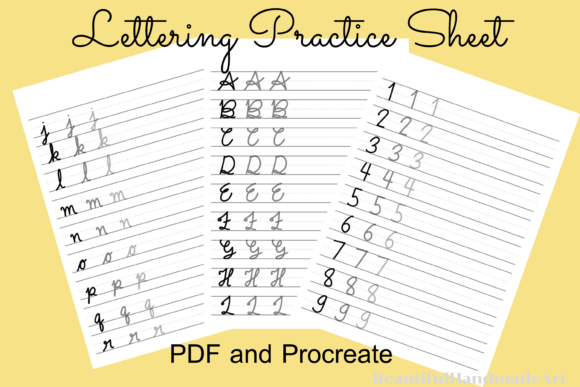
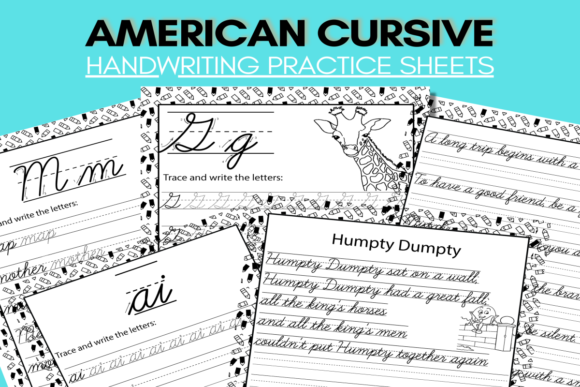
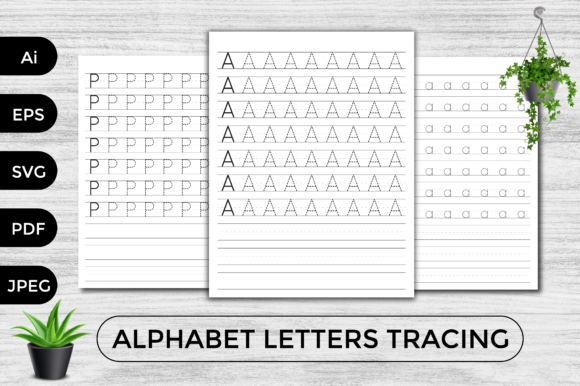
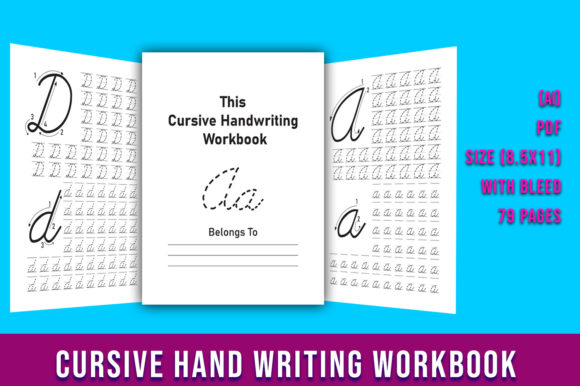
- Practice Book: Consider using a practice book with guided exercises. These books often include tracing exercises and blank lines for free writing.
Understanding the Basics of Cursive Letters
Cursive letters are connected, and understanding the basic strokes is crucial. Here are some key points to remember:
- Entry and Exit Strokes: Each letter begins with an entry stroke and ends with an exit stroke, which connects to the next letter.
- Letter Formation: Pay attention to the specific formation of each letter. For example, the lowercase 'a' in cursive starts with a loop at the top and then forms a small circle.
- Consistency: Consistency in size, slant, and spacing is key to achieving a neat and legible cursive style.
Practical Tips for Perfecting Your Cursive Handwriting
Here are some practical tips to help you perfect your cursive handwriting:
Regular Practice
Consistent practice is the most effective way to improve. Set aside a few minutes each day to practice. Start with simple exercises and gradually move to more complex ones.
Slow and Steady Wins the Race
Begin by writing slowly and deliberately. As you become more comfortable, you can increase your speed. However, always prioritize neatness over speed.
Use Guided Exercises
Guided exercises, such as those found in practice books, are incredibly helpful. They provide a structured approach to learning and help you focus on specific areas that need improvement.
Common Misunderstandings and FAQs
There are a few common misunderstandings about cursive handwriting. Let’s address some of them:
Is Cursive Handwriting Still Relevant?
Yes, cursive handwriting is still relevant. While digital communication is prevalent, cursive remains an important skill for personal expression, historical document reading, and even artistic endeavors.
Can Adults Learn Cursive?
Absolutely! It’s never too late to learn cursive. With regular practice and the right resources, adults can master this elegant form of writing.
Introducing Our Cursive Handwriting Practice Interior
To help you on your journey, we offer a comprehensive Cursive Handwriting Practice Interior file. This resource includes:
- Source File (AI): Editable vector file for customizing your practice material.
- PNG File: High-quality image files for printing and reference.
- PDF Ready to Upload: 8.5x11 inches with bleed, 79 pages, 300 dpi high-resolution interior, perfect for printing and use.
This practice interior is designed to provide a structured and engaging way to improve your cursive handwriting. Whether you are a beginner or looking to refine your skills, this resource is a valuable tool.
Conclusion
Cursive handwriting is a timeless skill that offers numerous benefits, from improved fine motor skills to enhanced personal expression. By following the tips and using the resources provided, you can embark on a fulfilling journey to master this elegant art form. Happy writing!