Understanding the Baby Food Tracker: A Comprehensive Guide for Parents and Professionals
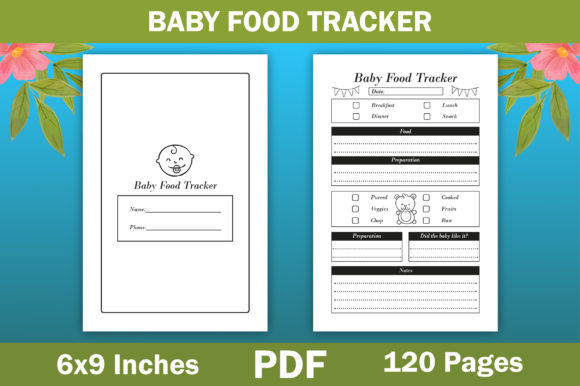
The Baby Food Tracker is an innovative tool designed to help parents and caregivers meticulously track their baby's dietary intake. This article delves into the various aspects of the Baby Food Tracker, including its features, benefits, and how it can be effectively utilized in daily life.
Key Features of the Baby Food Tracker
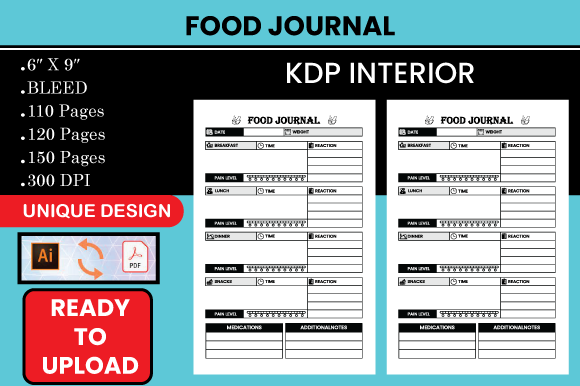
- Dimensions: The tracker is conveniently sized at 6x9 inches, making it easy to carry and use on the go.
- Page Count: Available in 100, 110, or 120 pages, providing ample space for detailed tracking over several months.
- No Bleed: The design is clean and professional, with no bleed, ensuring a neat and organized layout.
- High-Resolution Interiors: All pages are high-resolution and print-ready, ensuring clear and legible entries.
- PDF and JPG Formats: The tracker comes in both PDF and JPG formats, ready for instant download and use.
Why Use a Baby Food Tracker?
A Baby Food Tracker offers numerous advantages that make it an indispensable tool for parents and caregivers. Here are some key reasons why you might consider using one:
- Detailed Tracking: It allows for precise recording of what, when, and how much your baby eats, which is crucial for monitoring nutritional intake and identifying any potential food sensitivities.
- Ease of Use: The straightforward format and pre-defined sections make it simple to fill out, even for those who may not be familiar with detailed record-keeping.
- Health Monitoring: Regular tracking can help in early detection of digestive issues, allergies, or other health concerns, allowing for timely intervention.
- Peace of Mind: Having a comprehensive log of your baby's diet can provide peace of mind, especially during routine check-ups or when consulting with healthcare providers.
How to Effectively Use the Baby Food Tracker
To get the most out of your Baby Food Tracker, follow these practical tips:
- Consistency is Key: Make it a habit to update the tracker after each feeding session. Consistent entries will provide a more accurate picture of your baby's dietary patterns.
- Include All Details: Record not just the type of food but also the quantity, time, and any reactions observed. This level of detail can be invaluable for both you and your pediatrician.
- Review Regularly: Set aside time weekly or monthly to review the entries. This can help you identify trends, such as foods that your baby particularly enjoys or those that may cause discomfort.
- Share with Healthcare Providers: During regular check-ups, share the tracker with your pediatrician. This information can be a valuable resource for discussing your baby's nutritional needs and overall health.
Who Can Benefit from the Baby Food Tracker?
The Baby Food Tracker is not just for parents; it can be a useful tool for a variety of individuals and professionals involved in the care and development of infants:
- Parents and Caregivers: For those directly responsible for the baby's well-being, the tracker provides a structured way to monitor and manage their diet.
- Pediatricians and Nutritionists: These professionals can use the detailed logs to gain insights into the baby's nutritional status and make informed recommendations.
- Daycare Providers: In a daycare setting, the tracker can help staff keep track of each child's dietary needs and preferences, ensuring they receive appropriate care.
- Researchers and Educators: For those studying infant nutrition or teaching about it, the data collected through the tracker can be a valuable resource for research and educational purposes.
Practical Examples and Real-World Applications
Here are a few real-world scenarios where the Baby Food Tracker has proven to be exceptionally useful:
- Introducing Solid Foods: When transitioning your baby to solid foods, the tracker can help you document the introduction of new foods, noting any allergic reactions or digestive issues.
- Managing Food Sensitivities: If your baby has known food sensitivities, the tracker can help you carefully monitor their diet, avoiding potential triggers and ensuring a balanced intake of nutrients.
- Traveling with Your Baby: When traveling, the tracker can be a handy tool to maintain a consistent feeding schedule and ensure your baby's dietary needs are met, even when away from home.
Considerations and Tips for Implementation
While the Baby Food Tracker is a highly beneficial tool, there are a few considerations to keep in mind to ensure its effective use:
- Start Early: Begin using the tracker as soon as you start introducing solid foods to your baby. This early start will provide a more complete and useful record.
- Involve All Caregivers: If multiple people are involved in your baby's care, make sure everyone is aware of the tracker and updates it regularly. Consistency across caregivers is essential for accurate tracking.
- Customize as Needed: While the tracker is designed to be user-friendly, feel free to add notes or customize sections to better suit your specific needs and preferences.
- Store Safely: Keep the tracker in a safe place, and consider having a digital backup to ensure you don't lose this valuable information.
Conclusion
The Baby Food Tracker is a versatile and practical tool that can significantly enhance the way you manage your baby's diet. By providing a structured and detailed method for tracking, it supports both the immediate and long-term nutritional needs of your baby. Whether you are a parent, caregiver, or healthcare professional, the Baby Food Tracker is a valuable resource that can contribute to the health and well-being of the infants in your care.