Alphabet Coloring Pages for Toddler: Practical Uses for Letters N to Z
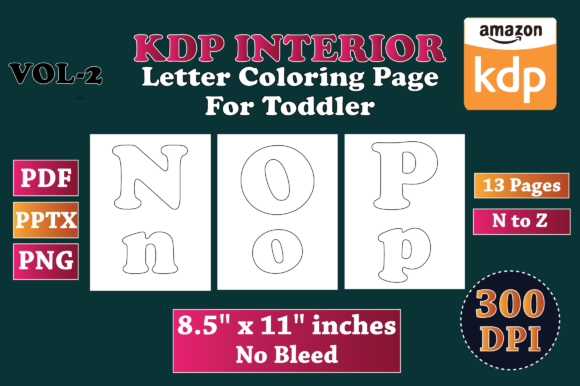
When searching for engaging educational materials, finding high-quality Alphabet Coloring Pages for Toddler activities that focus specifically on the latter half of the alphabet can be surprisingly difficult. Most generic packs oversaturate A through M, leaving parents and educators scrambling for fresh content for letters N through Z. This specific interior-only collection addresses that gap directly, providing targeted practice for the more complex letter shapes and vocabulary words that toddlers often find challenging. Because this product includes only the interior pages without a cover, it is designed as a functional resource for immediate use rather than a standalone retail book, making it ideal for digital integration or custom binding projects.
Real-World Scenarios for Late-Alphabet Practice
The transition from simple curves in early letters to the angular complexity of N, K, X, and Z requires repetitive, low-pressure practice. In home environments, these coloring pages serve as excellent transition tools. For example, during the mid-afternoon energy dip when structured play feels too demanding but screen time isn't desired, pulling out a page featuring "Nest" or "Zebra" offers a quiet, focused activity that reinforces literacy without feeling like a lesson. The 8.5 x 11 inch no-bleed format means you can print these on standard home printers without worrying about trimming margins or losing artwork to printer feed errors, which is a significant practical advantage for busy parents managing household chaos.
In preschool and daycare settings, educators often run into curriculum pacing issues where the end of the alphabet gets rushed before holidays or summer breaks. Having a dedicated set of Alphabet Coloring Pages for Toddler covering N to Z allows teachers to supplement existing curriculums without redesigning their entire lesson plan. These pages work exceptionally well as morning work or center station activities. Since the files are available in both PDF and PPTX formats, teachers can easily project the coloring page onto a smartboard for group tracing demonstrations before handing out printed copies for individual fine motor practice.
Leveraging File Formats for Creative Flexibility
One of the most valuable aspects of this resource is the inclusion of source files alongside standard PDFs. While the PDF ensures consistent printing at 300 DPI, the PPTX PowerPoint file opens up dynamic possibilities for digital learning. Homeschooling parents who utilize tablet-based learning can import these slides into apps like Procreate or GoodNotes, turning static Alphabet Coloring Pages for Toddler into interactive digital worksheets. This hybrid approach is particularly useful for travel or waiting rooms where carrying art supplies isn't feasible. The ability to manipulate the source file also allows caregivers to adjust the size of the letter or add personalized elements, such as the child’s name or specific vocabulary words relevant to their current interests.
For content creators and KDP publishers, the "interior only" specification is a deliberate feature. It eliminates the need to strip away unwanted covers or deal with licensing conflicts when compiling larger anthologies. The 300 DPI resolution meets professional publishing standards, ensuring that lines remain crisp even when scaled. However, users should note that because there is no bleed, all artwork is contained within safe margins. This makes the files incredibly user-friendly for beginners in self-publishing who may not yet understand bleed setup, though it does limit full-page background designs. Understanding this distinction prevents frustration later in the design process and ensures the final product looks intentional and polished.
Fine Motor Development and Cognitive Connections
Beyond simple letter recognition, coloring pages targeting N through Z support critical developmental milestones. Letters like Q, U, and Y require different wrist movements and pincer grasp adjustments compared to B or D. When a toddler colors a "Quilt" or "Umbrella," they aren't just filling in space; they are navigating directional changes that build hand strength necessary for future writing. The specific selection of vocabulary in this range also introduces phonetic variety. While A-M often relies on short vowel sounds, the latter alphabet introduces digraphs and unique pronunciations that expand auditory processing skills alongside visual-motor integration.
Therapists and special education professionals frequently seek out isolated alphabet resources to create customized intervention materials. A comprehensive pack might overwhelm a child with sensory processing differences, but selecting single pages from this N-Z set allows for controlled exposure. The clean, no-bleed layout reduces visual clutter, helping children maintain focus on the target letter without distraction. In teletherapy sessions, the high-resolution PNG options can be shared via screen share for real-time collaborative coloring, bridging the gap between physical and remote therapeutic support.
Practical Considerations Before Use
Before integrating these Alphabet Coloring Pages for Toddler into your routine, consider your printing capabilities and paper preferences. The 8.5 x 11 inch size is standard US Letter, which is perfect for American users but may require scaling adjustments for those using A4 paper internationally. Since the files are 300 DPI, they contain significant data; ensure your device has adequate storage if downloading the full source package. For best results, print on slightly heavier paper (around 32lb or higher) if using markers or gel pens, as standard copy paper may bleed through despite the digital file's no-bleed designation. The no-bleed specification refers to the printable area, not the ink absorption of your chosen medium.
It is also important to manage expectations regarding the "interior only" nature of this product. If you are creating a gift or a keepsake book, you will need to design or source a separate cover. This extra step, however, grants complete creative freedom to match the exterior to your specific theme or branding. For educators compiling weekly packets, simply adding a plain colored cardstock cover transforms these interior pages into a professional-looking workbook in seconds. The absence of a pre-made cover ultimately saves money and reduces waste, as you aren't paying for or discarding unused design elements.
Maximizing Engagement Through Customization
The true power of this collection lies in its adaptability. Rather than treating these as disposable worksheets, consider laminating a few favorite pages for dry-erase marker reuse, creating an eco-friendly rotation system. Use the PPTX files to create flashcards by resizing and cropping individual letters, extending the value far beyond traditional coloring. Pair specific pages with sensory bins—add plastic zebras when coloring Z, or noodles when working on N—to create multi-sensory learning experiences that cement retention. By viewing these Alphabet Coloring Pages for Toddler as modular components rather than fixed products, adults can craft rich, responsive learning environments that grow with the child’s developing abilities.
Ultimately, successful use of these resources depends on matching the material to the moment. Some days call for structured tracing practice using the crisp PDF lines; other days benefit from open-ended creative expression using the editable source files. Whether supporting a toddler’s first attempts at writing their name, supplementing a classroom curriculum, or building a commercial product line, understanding the technical specifications and practical applications ensures this N-Z collection delivers meaningful value. The combination of high-resolution quality, flexible formatting, and targeted content scope makes it a versatile tool for anyone invested in early childhood literacy development.