KDP Interior Word Search for Kids: Streamlining Your Publishing Workflow
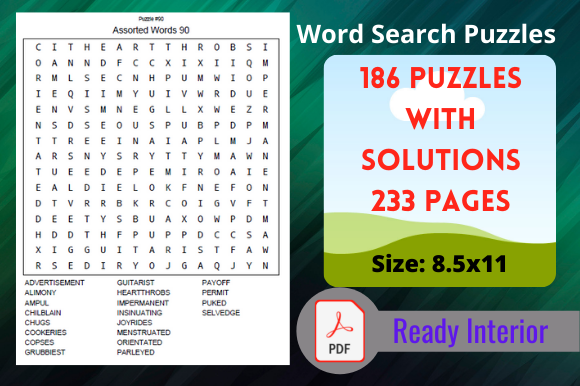
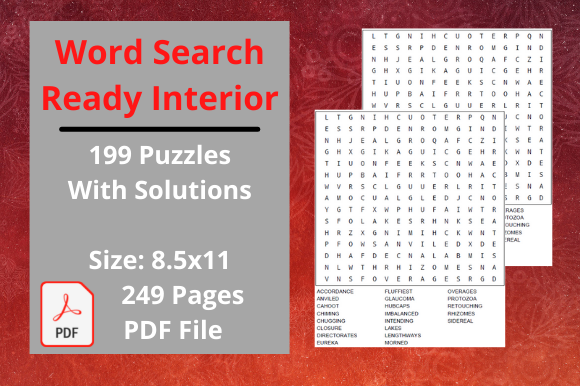
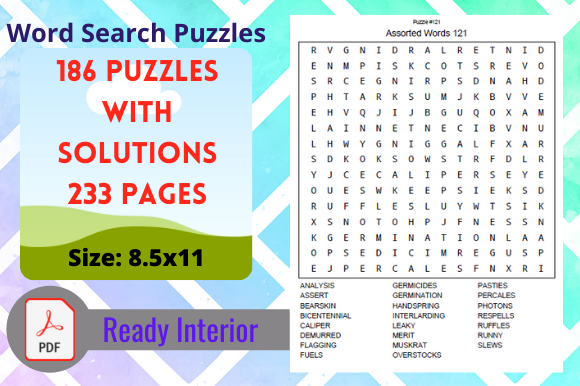
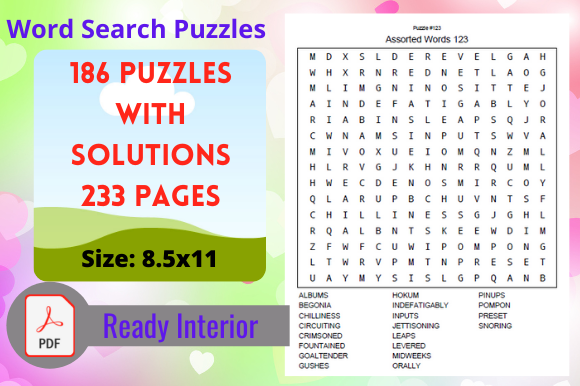
Launching a low-content book on Amazon requires balancing creative appeal with technical precision. When you are building a catalog of activity books, the KDP Interior Word Search for Kids from Lafuma Design Studio serves as a foundational asset rather than just a collection of puzzles. This pre-formatted interior eliminates the most time-consuming phase of puzzle book creation: layout and solution mapping. With 186 unique puzzles spread across 233 pages, this resource is engineered specifically for publishers who need to move from concept to live listing without spending weeks formatting individual grids or manually verifying answer keys.
The immediate value lies in the "ready-to-upload" nature of the PDF. For self-publishers, the friction often occurs between generating content and meeting KDP’s strict margin and bleed requirements. This interior arrives at the standard 8.5″ x 11″ trim size, which is the industry sweet spot for children’s activity books. It provides enough whitespace for young hands to circle words comfortably while maximizing the page count to justify a competitive price point. By removing the technical guesswork, you can focus your energy on what actually drives sales: keyword research, cover design, and marketing strategy.
Real-World Applications for Seasonal and Niche Publishing
A common misconception is that ready-made interiors limit creativity. In practice, they act as a flexible canvas for niche targeting. Consider the Q4 holiday rush. A publisher using this 186-puzzle interior can create three distinct products by simply changing the cover and title metadata. One version could be marketed as a "Winter Break Brain Teaser," another as a "Stocking Stuffer Activity Book," and a third as a "New Year Vocabulary Builder." The internal content remains consistent, but the external packaging targets different search intents. This approach allows you to test multiple keywords against a single high-quality interior file.
Educators and homeschooling parents represent another significant audience segment. They frequently seek supplemental materials that reinforce vocabulary without feeling like homework. Because this interior features one puzzle per page with a clean black-and-white aesthetic, it prints clearly on standard home printers and looks professional in paperback format. Publishers targeting the homeschool demographic can bundle this interior with a custom introduction page or a certificate of completion to add perceived value. The 186 puzzles provide roughly six months of daily activities if used three times a week, making it a substantial resource for parents looking for screen-free entertainment.
Travel and road trip niches also benefit significantly from this specific page count. Parents preparing for long car rides or flights look for books that offer sustained engagement. A 233-page book signals longevity and value compared to thinner 50-page alternatives. The single-puzzle-per-page layout is crucial here; it prevents visual clutter and reduces frustration for children working in moving vehicles. When positioning this product, emphasizing the "boredom buster" aspect alongside the educational benefits can capture buyers who are solving an immediate pain point rather than just looking for a generic activity book.
Understanding the Layout Architecture
The structural decisions in this interior directly impact user experience and review ratings. The choice to place four solutions per page at the back of the book is a deliberate design strategy. Cluttering the bottom of every puzzle page with answers can distract children and reduce the usable play area. By consolidating solutions, the active puzzle pages remain clean and inviting. This separation also mimics traditional publishing standards, giving your KDP book a more professional feel that distinguishes it from amateur AI-generated competitors.
The black-and-white formatting is not merely an aesthetic choice; it is a cost-efficiency measure. Color printing on KDP significantly increases production costs, which eats into royalties or forces higher retail prices. Black-and-white interiors allow for a lower price point while maintaining healthy margins. Furthermore, high-contrast black text on white paper is easier for developing eyes to track, reducing eye strain during extended play sessions. This practical consideration aligns with parent preferences for readable, accessible content over flashy but expensive color designs.
Strategic Considerations Before Publishing
While a ready-made interior accelerates production, successful publishing requires thoughtful integration. You cannot simply upload the file and expect sales. The cover must accurately reflect the interior's difficulty level and theme. Since this is a general word search collection, your cover art and title should specify the age range or theme you are targeting. If the vocabulary includes complex terms, marketing it to early readers will result in negative reviews. Conversely, if the words are simple, labeling it for teens will lead to returns. Always preview the PDF to verify that the vocabulary aligns with your intended audience before finalizing your listing.
Differentiation is essential when using commercial-use interiors. Many publishers may have access to similar resources. To stand out, consider adding unique front and back matter. A personalized welcome note, tips for solving word searches, or even blank journaling pages can transform a generic interior into a branded experience. These additions take minutes to create but signal to Amazon’s algorithm and potential buyers that your book offers something beyond the baseline. Additionally, ensure your description highlights specific features like the large print format or the number of puzzles, as these are key decision factors for buyers comparing similar titles.
Quality assurance remains your responsibility. Even with a professionally designed file, always order a proof copy or use KDP’s digital previewer to check margins and alignment. Screen resolution differs from print output, and what looks crisp on a monitor might appear too close to the gutter in physical form. Verifying that the 8.5″ x 11″ dimensions render correctly ensures that no puzzle elements are cut off during trimming. This step protects your brand reputation and prevents costly reprints or customer service issues down the line.
Maximizing ROI Through Series Development
One of the most effective strategies for KDP success is series development. This 186-puzzle interior can serve as the template for an entire brand. Once you establish a winning cover style and keyword set, you can replicate the success across adjacent niches. Perhaps the first book focuses on animals, the second on space, and the third on sports. While the core puzzle mechanics remain the same, the thematic wrapper changes. This builds brand recognition and encourages repeat purchases from satisfied customers.
The scalability of this approach extends to bundling. As your catalog grows, you can combine multiple interiors into premium editions or create seasonal bundles. The consistent 8.5″ x 11″ sizing makes combining files straightforward. Over time, the initial investment in a quality ready-made interior pays dividends through reduced production time and increased output volume. Instead of reinventing the wheel for every new release, you leverage a proven foundation that meets technical specifications and user expectations.
Ultimately, the KDP Interior Word Search for Kids is a tool for efficiency and consistency. It solves the technical hurdles of formatting and solution placement, allowing publishers to concentrate on market fit and presentation. Whether you are entering the kids' activity niche for the first time or expanding an existing portfolio, understanding how to strategically apply this resource determines your long-term success. The puzzles provide the content, but your insight into audience needs and marketplace dynamics transforms that content into a viable business asset.