Word Search for Kids: Streamlining KDP Publishing with Ready-Made Interiors
The landscape of self-publishing has shifted dramatically over the last decade, moving from a niche hobby to a sophisticated sector of the digital economy. Within this ecosystem, activity books remain a perennial bestseller category, with Word Search for Kids standing out as a staple for parents, educators, and young readers alike. However, the barrier to entry is no longer just about having an idea; it is about execution, speed, and quality. For entrepreneurs and creators managing an Amazon Kindle Direct Publishing (KDP) business, the challenge often lies in balancing creative output with operational efficiency. This is where specialized resources like Lafuma Design Studio bridge the gap between concept and commercial product.
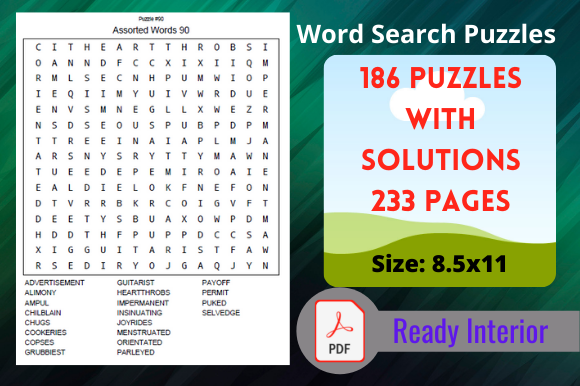
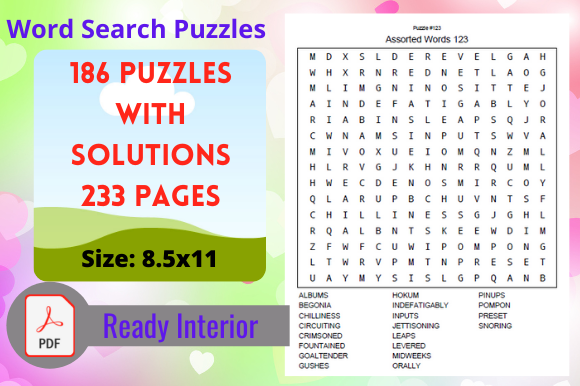
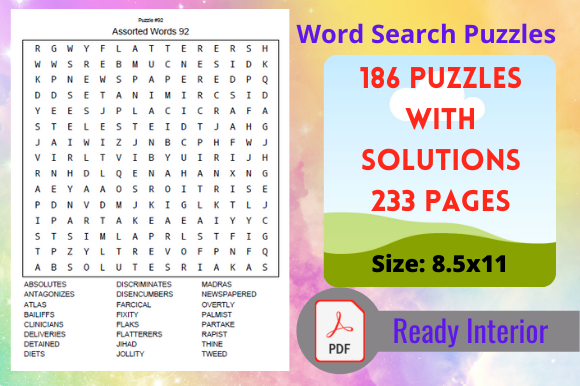
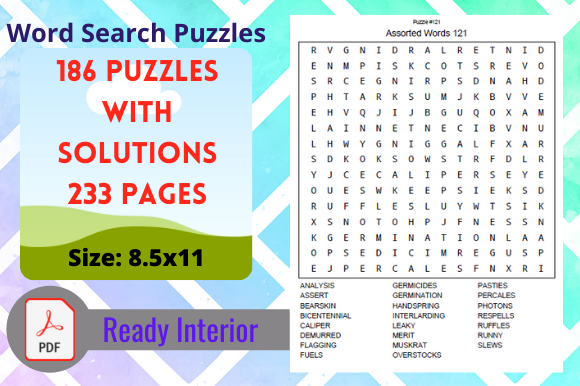
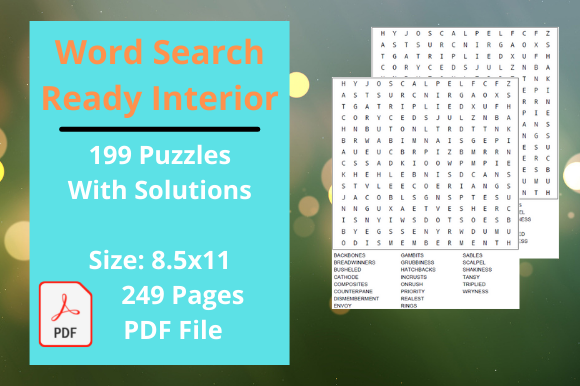
Hello and welcome to Lafuma Design Studio, a resource dedicated to supporting independent publishers. Here you can find and buy ready-made Word Search interiors files specifically engineered for your KDP business. The current offering includes a comprehensive package of 199 Word Search Puzzles with solutions, designed to eliminate the technical friction of book creation. By providing a pre-formatted, professional-grade interior, this resource allows creators to focus on what truly drives sales: niche research, keyword optimization, cover design, and marketing strategy.
The Enduring Relevance of Word Search for Kids
Despite the ubiquity of tablets and interactive apps, print-based activity books have not only survived but thrived. This resilience is driven by a growing cultural awareness regarding screen time and child development. Parents and educators are actively seeking "unplugged" activities that support literacy without digital distraction. A Word Search for Kids serves a dual purpose: it functions as entertainment while simultaneously reinforcing vocabulary, spelling patterns, and cognitive focus.
From a market perspective, this creates a consistent demand cycle. Unlike trend-based fiction, educational activity books are evergreen. They are purchased year-round for homeschooling curricula, summer travel, classroom rewards, and holiday gifts. For the KDP publisher, this stability is invaluable. However, the market is also maturing. Buyers are increasingly discerning, expecting clean layouts, appropriate difficulty progression, and error-free content. Generic, auto-generated puzzles with poor formatting are quickly identified and reviewed negatively. Success now requires a product that feels curated and professionally assembled, even if the creator is a solo entrepreneur working from home.
Evolving Standards in Low-Content Publishing
The term "low-content" has become somewhat misleading in modern publishing circles. While these books may have minimal narrative text, they are high-stakes in terms of user experience. The evolution of the KDP marketplace means that simply uploading a PDF is no longer a guaranteed path to revenue. Modern workflows demand higher production values. Creators are paying closer attention to trim sizes, margin safety, font readability, and solution placement.
This shift reflects broader changes in digital commerce where user expectations are set by traditional publishing houses. Independent creators must match these standards to compete. Utilizing professional assets, such as the 8.5″ x 11″ trim size interior available at Lafuma Design Studio, ensures compliance with industry norms. This specific dimension is the gold standard for children’s activity books, offering ample space for large print and comfortable writing areas, which is critical for the target demographic's developing motor skills.
Technical Specifications and Practical Application
Understanding the anatomy of a successful activity book interior is essential for any serious publisher. The ready-made file from Lafuma Design Studio is structured to address common pain points in the formatting process. When you acquire this asset, you receive a single PDF file ready to upload, containing 249 pages in black and white. This consolidation simplifies file management and reduces the risk of formatting errors during the KDP upload review process.
The internal architecture of the book is equally deliberate:
- 199 Unique Puzzles: Providing substantial value and perceived thickness, which correlates with higher customer satisfaction.
- One Puzzle Per Page: This layout prevents visual clutter, making the book accessible for younger users and ensuring each activity feels distinct.
- Four Solutions Per Page: Placing answers at the back in a condensed format maximizes puzzle space while keeping the answer key organized and easy to navigate.
- Black and White Interior: Optimized for cost-effective printing, allowing for competitive pricing and healthier royalty margins.
These specifications are not arbitrary; they represent best practices derived from analyzing top-selling titles in the category. By adopting a proven structure, publishers mitigate the risk of creating a product that fails due to poor usability.
Strategic Efficiency for Entrepreneurs and Freelancers
For professionals aged 20–50 building a portfolio of digital assets or a publishing business, time is the most constrained resource. Creating 199 unique word searches, verifying their accuracy, formatting them into a 249-page document, and generating a separate solution key can take dozens of hours. Even with software assistance, the quality assurance phase is labor-intensive. Errors in word search puzzles—such as missing words, incorrect grids, or misaligned solutions—are fatal to a book’s reputation.
Purchasing a verified, ready-to-use interior transforms this production timeline from weeks to minutes. This efficiency enables a more agile business model. Instead of spending a month creating one book, a publisher can utilize that time to research three different niches, design three custom covers, and run advertising tests. In the current KDP environment, volume combined with quality often outperforms singular perfectionism. Assets like those from Lafuma Design Studio serve as foundational building blocks, allowing creators to scale their operations without sacrificing product integrity.
Adapting to Market Preferences and User Needs
Modern consumers expect personalization and relevance. While the interior provided is ready-made, successful publishers understand that differentiation happens at the packaging level. The 199 puzzles serve as a robust canvas upon which specific themes can be applied through cover design and metadata. For example, the same core puzzle mechanics can be marketed toward dinosaur enthusiasts, space explorers, or early readers learning sight words, simply by changing the external presentation and title keywords.
This adaptability aligns with current trends in micro-niche marketing. Rather than publishing a generic "Word Search for Kids," savvy marketers target long-tail keywords like "travel word search for toddlers" or "homeschool vocabulary builder." The neutral, high-quality interior supports this flexibility. It avoids overly specific clip art within the puzzle pages themselves, preventing the content from feeling dated or mismatched with a new thematic direction. This forward-looking approach to asset utilization allows businesses to pivot quickly based on seasonal trends or emerging search data.
Navigating the Business of Digital Products
Integrating ready-made interiors into a KDP workflow also raises important considerations regarding licensing and originality. Professionals must always verify the terms of use for any purchased asset. Lafuma Design Studio provides files intended for commercial book print use, but understanding the scope of that license is part of responsible business practice. Furthermore, while the interior handles the heavy lifting of content generation, adding unique value elsewhere remains crucial.
Consider enhancing the base product with additional elements that do not require reformatting the entire manuscript. Adding a personalized introduction, a certificate of completion at the end, or themed coloring pages interspersed between sections can elevate the perceived value. These small additions differentiate a book using stock interiors from competitors using the exact same files. It demonstrates an understanding of the end-user—a parent looking for a complete experience rather than just a stack of paper.
Realistic Expectations and Sustainable Growth
It is vital to maintain realistic expectations when incorporating tools like the 199-puzzle interior package. Access to high-quality assets removes technical barriers, but it does not guarantee sales. The KDP marketplace is dynamic, and success depends on a holistic strategy. The interior is merely one component of a larger system that includes keyword research, competitive analysis, cover design, and off-platform marketing.
However, for creators who have struggled with the technical aspects of book formatting or who wish to expand their catalog rapidly, this resource offers a practical solution. It addresses the specific needs of the Word Search for Kids niche by adhering to established standards: 8.5″ x 11″ dimensions, clear typography, and logical solution placement. By leveraging professional-grade interiors, publishers can ensure their products meet the baseline quality expectations of modern consumers.
Ultimately, the goal of resources like Lafuma Design Studio is to empower creators. Whether you are a freelancer diversifying income streams, an educator creating supplemental materials, or an entrepreneur building a publishing brand, having reliable, ready-to-upload components streamlines the path from idea to published book. In an industry where consistency and quality drive long-term viability, starting with a solid foundation is not just a convenience—it is a strategic advantage.